Pennant Hills CCTV Installation, Done Properly
Cameras that actually cover the right spots, cabled properly rather than running off Wi-Fi alone: that's what a proper CCTV install delivers.
We handle the cabling and power side end to end, quoted in writing first.
Call (02) 9538 7444, or use the contact form to discuss coverage.
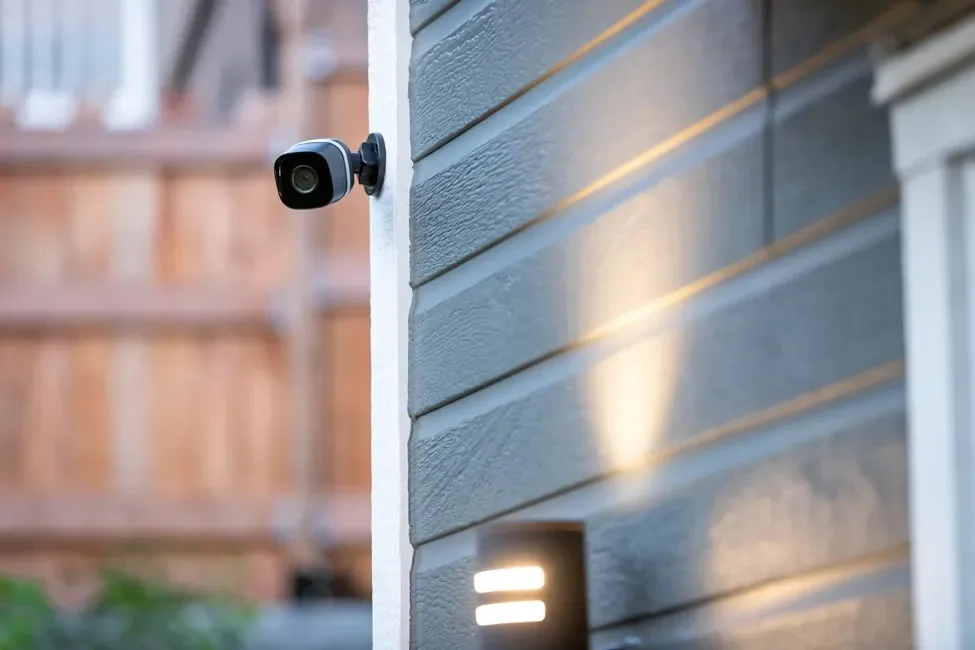
How to Tell You Need CCTV Installation
Security cameras go from nice-to-have to necessary for a range of reasons. Consider it when:
- A battery doorbell alone leaves blind spots around the property
- Nearby incidents have made security a more immediate concern
- A driveway, side access or backyard has no coverage at all
- An existing system relies entirely on unreliable Wi-Fi
- You want footage stored locally rather than depending on a cloud subscription
- A rental or holiday property needs monitoring when nobody's there
Cabled systems avoid the dropouts and reliability issues that plague purely wireless setups.
Footage that actually exists when you need it is the entire point. A camera that drops its Wi-Fi connection at the exact moment something happens isn't much use at all.
What We Handle Under CCTV Installation
CCTV work covers more than mounting a camera and hoping for the best. Here's the scope.
Camera positioning and mounting. Cameras placed to actually cover entries, driveways and blind spots.
Cable runs. Properly routed cabling from cameras back to the recording unit.
NVR and recorder power. Dedicated, reliable power for the unit storing your footage.
PoE runs. Power-over-Ethernet cabling, running power and data through a single cable.
Co-runs with data cabling. Camera cable laid alongside broader data and comms work where both are on the cards.
Plan the cable paths properly up front and the whole system keeps working reliably for years, rather than fighting interference from day one.
We also plan for a sensible mix of coverage rather than clustering cameras in one spot and leaving an obvious gap elsewhere.

What Affects the Cost of CCTV Installation
The written quote holds once accepted. What shapes that number:
- Number of cameras and their coverage requirements
- Cable run length and complexity across the property
- PoE versus standard cabling and power setup
- NVR or recorder location and power requirements
- Whether cabling co-runs with other data work
Fewer cameras and simple, direct cable runs keep the cost down at the lower end of the scale.
Adding cameras to an existing NVR down the track, rather than starting from scratch, is usually cheaper than most homeowners expect once the initial recorder setup is already in place.
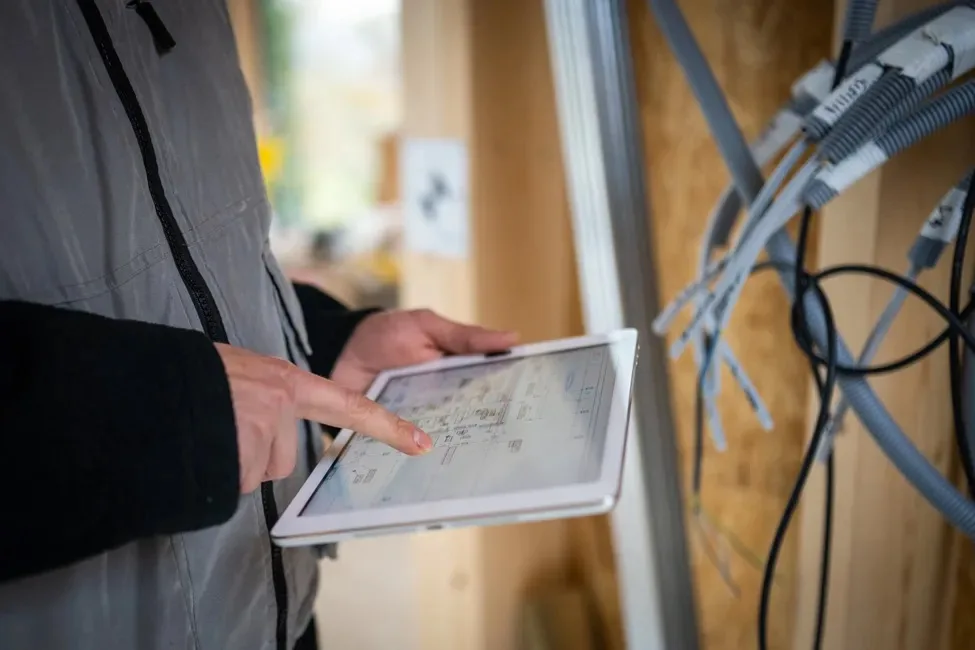
The Pennant Hills Angle on CCTV Installation
Larger blocks and detached homes across this suburb often mean longer distances between where cameras make sense and where the recording unit sits.
A driveway well back from the house, or a side gate on the opposite side of the block, both extend cable runs beyond what a compact inner-city property needs.
Established gardens and mature trees, common on these bigger blocks, sometimes affect camera placement and require careful planning around sightlines.
We assess coverage needs against the actual property layout, not a generic template that assumes a standard suburban block.
A single camera at the front door rarely covers what a larger, established property actually needs. Side access and rear boundaries are just as often the point of entry worth watching.
Standards and Paperwork, Explained Simply
The camera cabling itself sits outside electrical notifiable-work rules. Wiring up power for the recorder is a different matter, and that piece still answers to AS/NZS 3000.
Where power circuits are involved, testing confirms everything's safe and a Certificate of Compliance follows for that portion of the job.
Getting cable runs done properly, tested and certified, is what separates a system that performs reliably from one prone to dropouts and false triggers.
Storage matters here too. A recorder without enough capacity for continuous footage defeats the purpose just as thoroughly as a poorly placed camera.
How it works
Our CCTV Installation Process, Start to Finish
Site Assessment
A look around the property tells us exactly where cameras need to go.
Written Quote
A fixed price covers cameras, cabling and any power work required.
Installation
Cameras are mounted, cabling run, and the recording unit connected and powered.
Testing and Handover
Every camera and cable run is tested, with the system explained before we leave.
A typical install wraps up in a single day. More cameras and trickier cable runs push that out, and we'll be upfront about the difference before locking in a date.
Why This Is a Job for Our Team
A CCTV system is only as good as its weakest cable run, which is exactly the part most likely to get rushed by a generalist installer.
We treat the cabling side with the same rigour as any other certified electrical work, not as an afterthought to hanging a camera.
That attention is what keeps footage actually available when it matters, rather than discovering a dropout happened at the worst possible time.
It's also why each unit gets checked one by one before we sign off, not just a quick glance at the overall picture on a monitor.
Servicing Pennant Hills and the Suburbs Around It
We install CCTV systems across Pennant Hills, Beecroft, Westleigh, Carlingford and the broader Hornsby Shire.
CCTV cabling often piggybacks on a broader data & communications job, and outdoor cameras sometimes prompt a fresh outdoor power point nearby too.

Call Now and Get It Sorted
Want proper camera coverage around the property? (02) 9538 7444 gets you a written quote at no charge, $50 lighter for a first booking.
Prefer writing it down? Our contact page will do nicely.
Common questions
Your CCTV Installation FAQs
What are the signs I need CCTV installation?
Recent parcel theft or attempted break-ins nearby, a property that feels exposed at the entry points, or simply wanting proper coverage rather than a battery doorbell alone.
Can you do CCTV installation in older homes?
Yes. Cable runs just need a bit more planning around original construction, particularly where roof access or wall cavities are tighter than a newer build.
Is a permit or notification needed for CCTV installation in NSW?
The camera hardware itself isn't notifiable, but any new power circuit for an NVR or recorder follows the standard electrical compliance process.
Will I get a Certificate of Compliance?
Where new power circuits are involved, yes. The camera and data cabling side isn't separately certified the same way electrical circuits are.
What warranty comes with CCTV installation?
Our labour is guaranteed for life, with twelve months of additional cover on hardware beyond the manufacturer's own warranty.
What brands do you install for CCTV installation?
Quality camera and recording hardware suited to the property's coverage needs, with certified cable runs behind every install.