Smoke Alarms in Pennant Hills
Outdated, disconnected, or simply not enough of them: smoke alarm compliance is one of the most overlooked jobs in Sydney homes.
We bring the system up to the current NSW standard and put the number on paper before starting.
Phone (02) 9538 7444, or leave your details on the contact form.
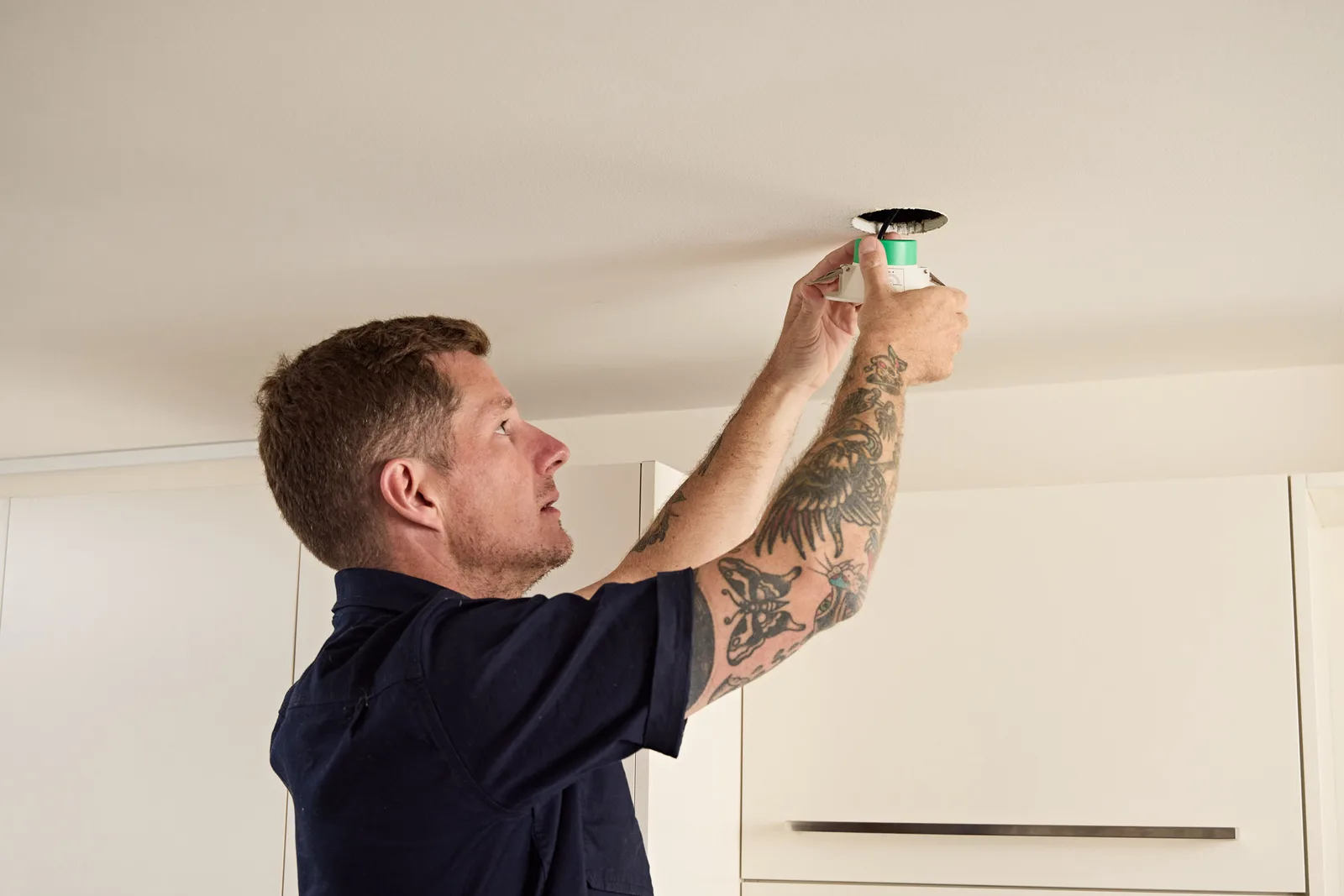
When It Is Time for Smoke Alarms
Smoke alarms are easy to forget about until something prompts a check. Look out for:
- Units older than ten years, which is beyond their sealed-battery lifespan
- Alarms that aren't interconnected, so one going off doesn't trigger the rest
- Fewer alarms fitted than the home's number of levels requires
- A battery-only alarm where the whole house should now be hardwired
- An alarm that chirps intermittently despite a recent battery change
- Preparing to sell or lease, where compliance gets checked as part of the process
Getting this sorted properly the first time avoids a scramble later, particularly around a sale or a new tenancy.
A chirping alarm is often mistaken for a flat battery when the real cause is a failing sensor near the end of its life. Ten years is the hard limit regardless of how healthy the unit still sounds.
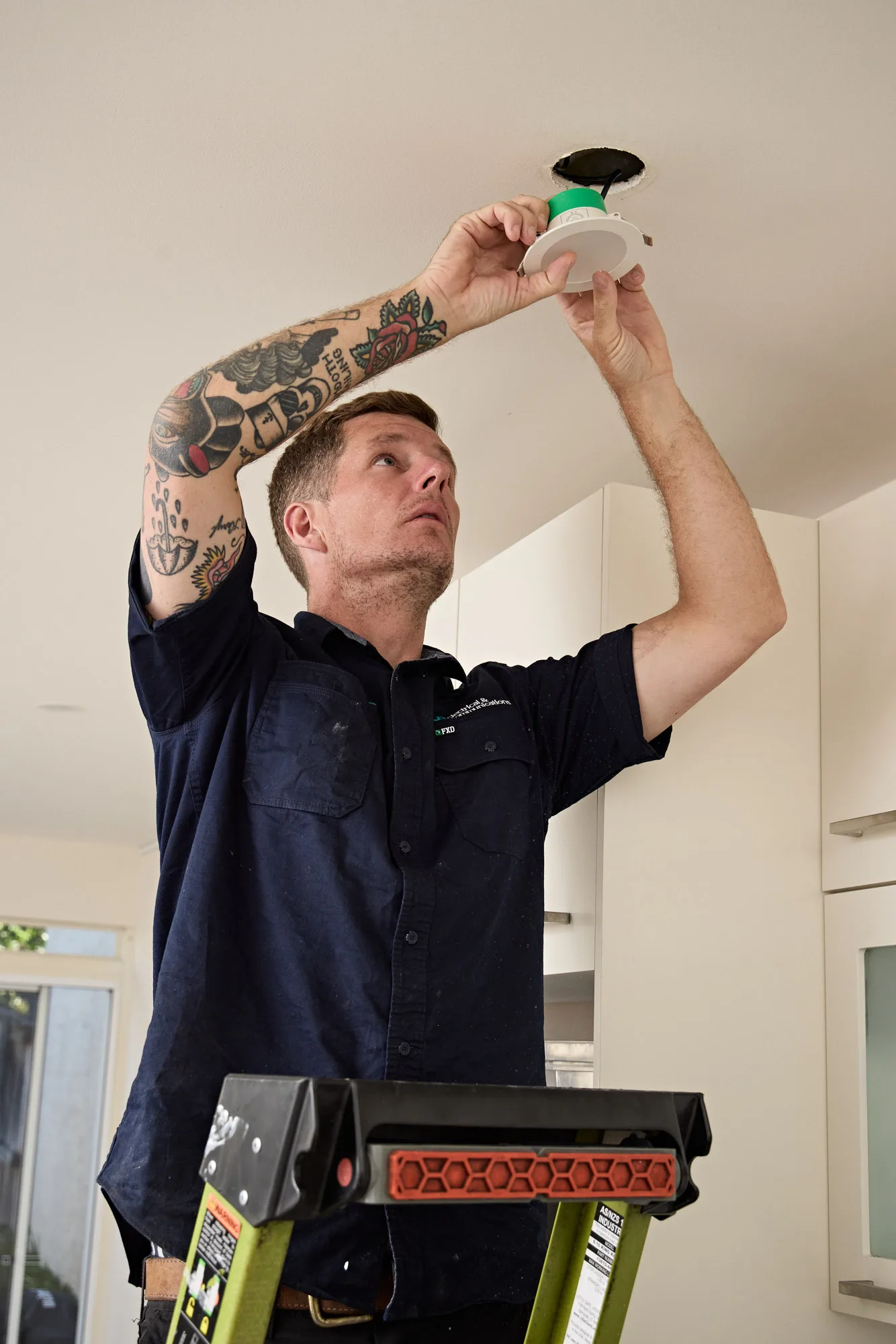
Smoke Alarms: What We Actually Do
Smoke alarm work covers more than swapping a battery. Here's what a proper compliance visit involves.
Hardwired installation. Fitting interconnected, mains-powered units with sealed ten-year batteries as backup.
Interconnection. Wiring alarms so that one triggering sets off every unit in the house.
Placement assessment. Confirming the right number and position of alarms for the home's layout and levels.
Old unit removal. Clearing out anything past its use-by date or running on battery alone.
Compliance reporting. Documentation confirming the finished install meets the current NSW requirement.
Every alarm is tested on its own and as part of the connected group, with nothing signed off until both checks come back clean.
Photoelectric units are the standard we install, since they respond faster to smouldering fires than the older ionisation type still found in some homes.
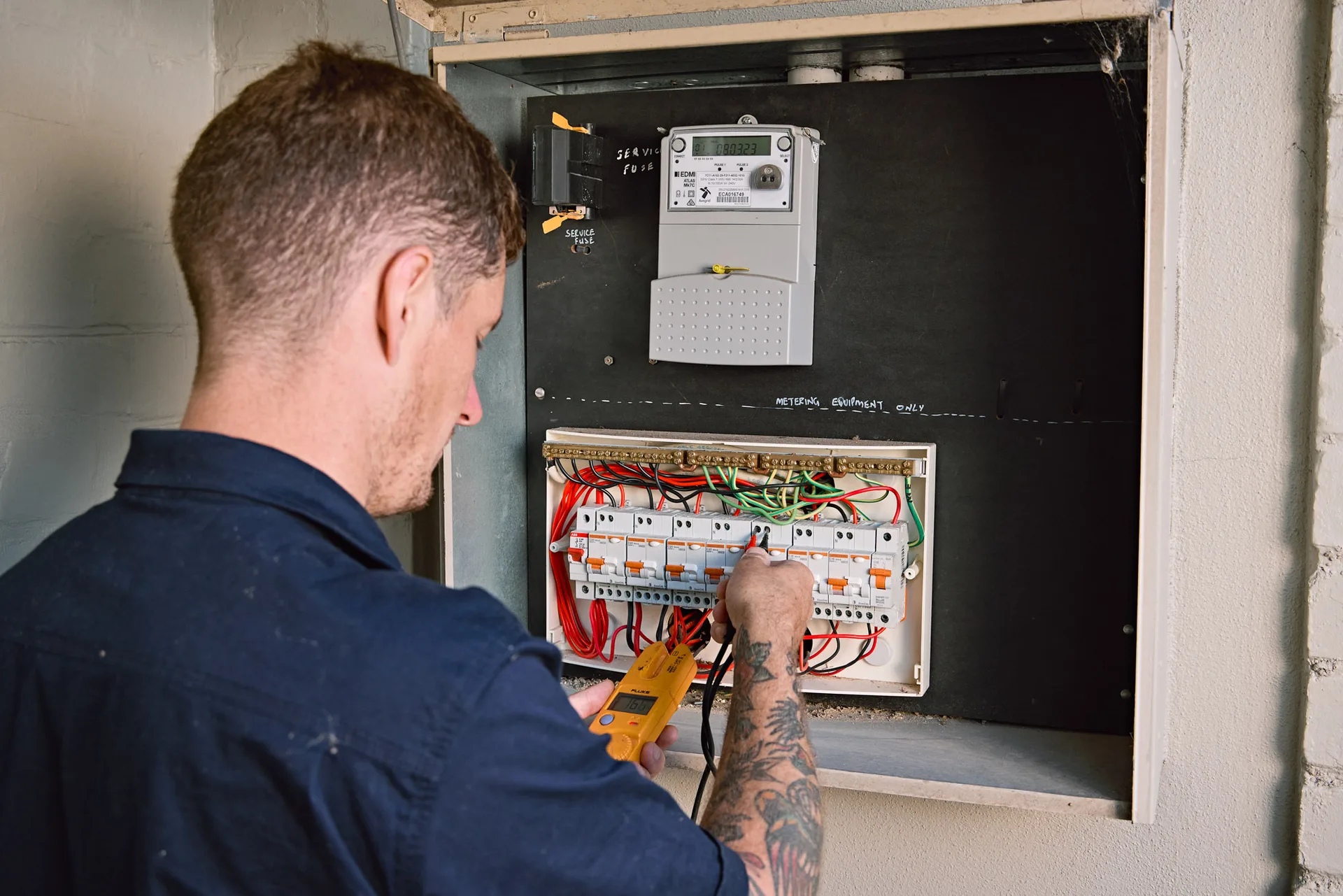
What Your Smoke Alarms Quote Depends On
Accept the number and it doesn't move from there. A handful of things determine what it is in the first place:
- How many alarms the home needs based on its layout
- Whether existing wiring can be used or new cabling is needed
- Ceiling access across different rooms and levels
- Ten-year sealed units versus other compliant alarm types
- Any existing wiring faults found during the install
A full-house hardwired retrofit into an older home with no existing alarm wiring is the more involved end of this job.
A home already partway converted, some hardwired alarms and some still battery-only, usually sits somewhere in the middle on price, since part of the interconnection groundwork already exists.
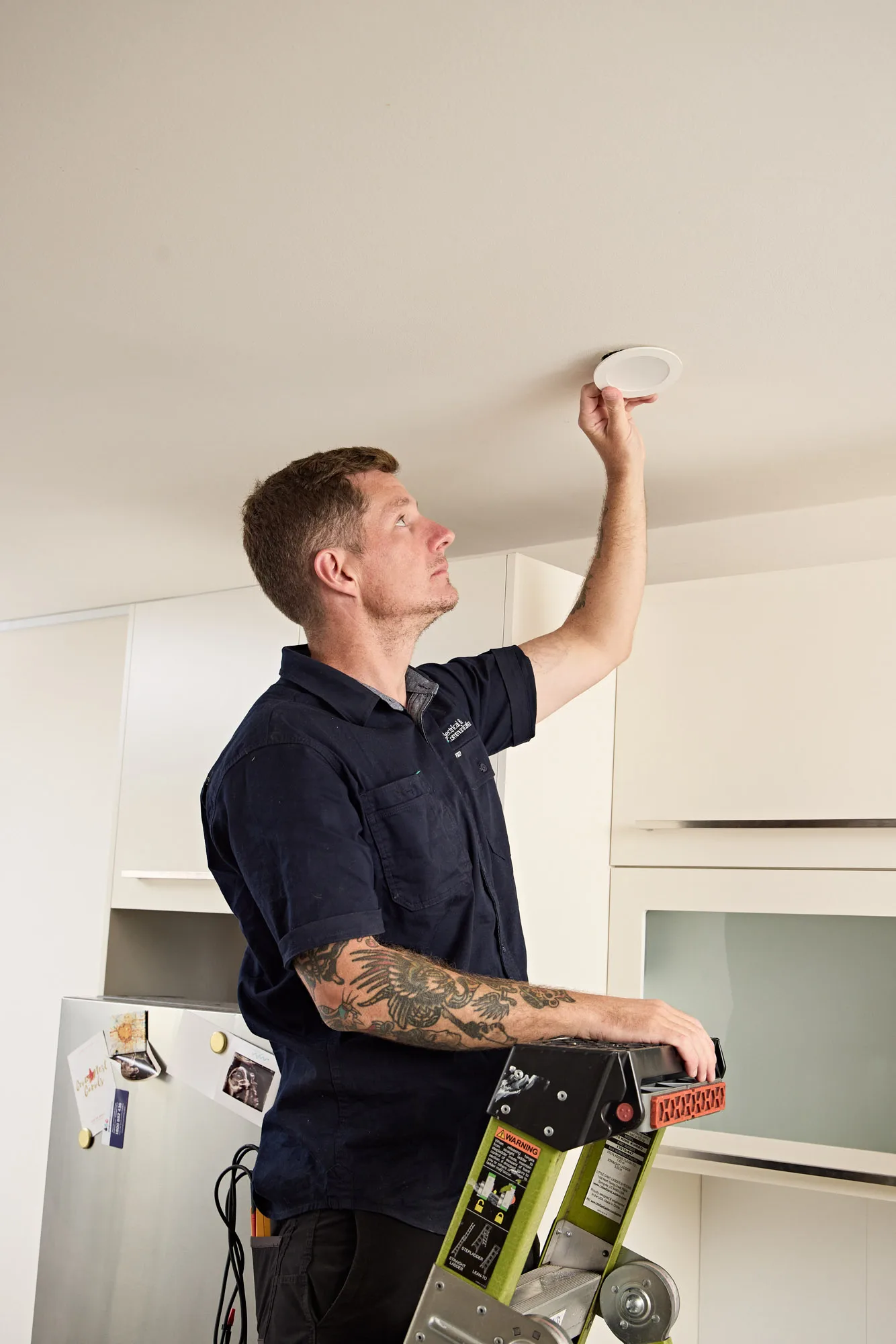
The Pennant Hills Angle on Smoke Alarms
Interconnected hardwired smoke alarms became a legislated requirement well after this suburb's older housing stock was originally built.
Plenty of Federation and interwar homes here still run on the battery-only alarms fitted decades ago, well short of the current standard.
Long-held family homes are the most common example, where the alarm was installed once and never revisited as the rules changed around it.
We see this most often triggered by a property sale, a new tenancy, or simply a homeowner double-checking after hearing about the current requirement.
A landlord preparing to lease is a particularly common call, since a tenancy agreement can't legally proceed with alarms that fall short of the current rule.
Compliance, Certificates and NSW Requirements
NSW tenancy legislation and the Building Code of Australia both set requirements for interconnected, hardwired smoke alarms with ten-year sealed batteries.
At least one alarm per level is the baseline, positioned to current standard rather than wherever happened to suit the original build.
Because hardwiring counts as notifiable work, the Certificate of Compliance follows straight after testing confirms every alarm is doing its job.
Homeowners can legally swap a battery-only alarm themselves. Hardwiring and interconnection is licensed electrical work, and getting it done properly matters given what these alarms are protecting.
Interconnection is where a DIY approach usually falls short. Wiring several alarms so each one triggers every other unit in the house takes more than swapping a single battery-only device.
How it works
Our Smoke Alarms Process, Start to Finish
Assessment
We walk the home and count what's needed against the current requirement for its layout.
Written Quote
We put the price down in writing before touching a single alarm.
Alarms Installed
New units go in, wired for interconnection, with old ones removed as we go.
Tested and Certified
Every alarm is tested individually and together, with compliance paperwork provided.
Most homes are finished within a single visit, even where several new alarms and some interconnecting cable are required.
What You Get When We Do Your Smoke Alarms
A rushed or half-finished install defeats the whole point of having smoke alarms in the first place.
We fit to the full current standard, not the bare minimum that happened to satisfy an older rule.
That thoroughness is also why a compliance certificate from us holds up cleanly at sale or lease renewal time.
Buyers, tenants and insurers all end up looking at this paperwork eventually. A clean job the first time round means it never becomes a question worth re-opening.
Servicing Nearby Homes Too
Compliance visits take us through Pennant Hills, Thornleigh, Beecroft and out across the Hornsby council area.
It's common to pair this with switchboard upgrades if the board's also overdue, and interconnecting cable through an old ceiling sometimes turns up a case for house rewiring.

Call Us Today About Smoke Alarms
Alarms overdue for an update, or getting a property ready for sale or lease? (02) 9538 7444 puts a written number in front of you free of charge, and $50 comes off your first job.
Typing suits you better? Head to our contact page instead.
Common questions
Common Smoke Alarms FAQs
Can smoke alarm installation be done without turning off power all day?
Yes. Power only needs to be off briefly while each unit is connected, and most homes are back to normal within the same visit.
Will I get a Certificate of Compliance?
Yes, for hardwired installation. It's notifiable work, so a certificate gets lodged once every alarm is tested and confirmed working.
Do you supply the materials or can I buy my own?
We supply compliant, ten-year sealed-battery units as standard. If you've bought your own, we'll check they meet the current standard before fitting them.
Do I need a licensed electrician for smoke alarms?
For hardwired, interconnected alarms, yes. Battery-only units can be swapped by a homeowner, but hardwired work is licensed electrical work.
Can you do smoke alarms in older homes?
Yes. Older homes are exactly where we do most of this work, since they're the ones most likely to still be running outdated units.
What are the signs I need smoke alarms updated?
Alarms older than ten years, units that aren't interconnected, or a home with fewer alarms than current rules require for its number of levels.